
Capabilities
Building a Proactive 24/7 Security Strategy for Unstaffed Facilities
For unstaffed facilities, the priority is how quickly teams can verify an event and respond. Brivo Security Suite unifies access, video, intrusion and alerts into a single view, treating unstaffed facility security as an efficient response-and-coverage situation. This unified foundation allows a single operator to monitor activity across several dark properties simultaneously, allowing teams to cover more ground without the high cost of staffing every location.
Operational Control for High-Risk, Low-Staff Environments
Unstaffed or low-traffic environments are often targets for vandalism and theft because the risk of immediate discovery is lower. With Brivo’s commercial alarm monitoring solutions, teams can detect activity sooner, verify what happened, and respond with better context.
Centralized oversight
Manage more locations from one unified dashboard view, with access, video, intrusion, and alerts connected in the same workflow.
Monitored response
Pair live video with 24/7 commercial alarm-monitoring and documented response steps.
After-hours visibility
Use remote site monitoring to catch activity before the next morning round.
Event verification
Review gate and door activity using video context rather than relying on guesswork.
Proactive video alerts
Surface trespassing, loitering, and perimeter movement so teams can respond sooner.
Remote alarm verification
Confirm whether an incident needs dispatch before escalating.
System health and access review
Monitor device status, identify issues more quickly, and review credentials and schedules for vendor and contractor visits.
Benefits
The Complete Remote Monitoring Security Stack
The strongest systems help teams detect, verify, and respond in the moment, with predefined steps that enable faster decision-making. That usually starts with a video management system, monitoring, alerts, and access events tied together.
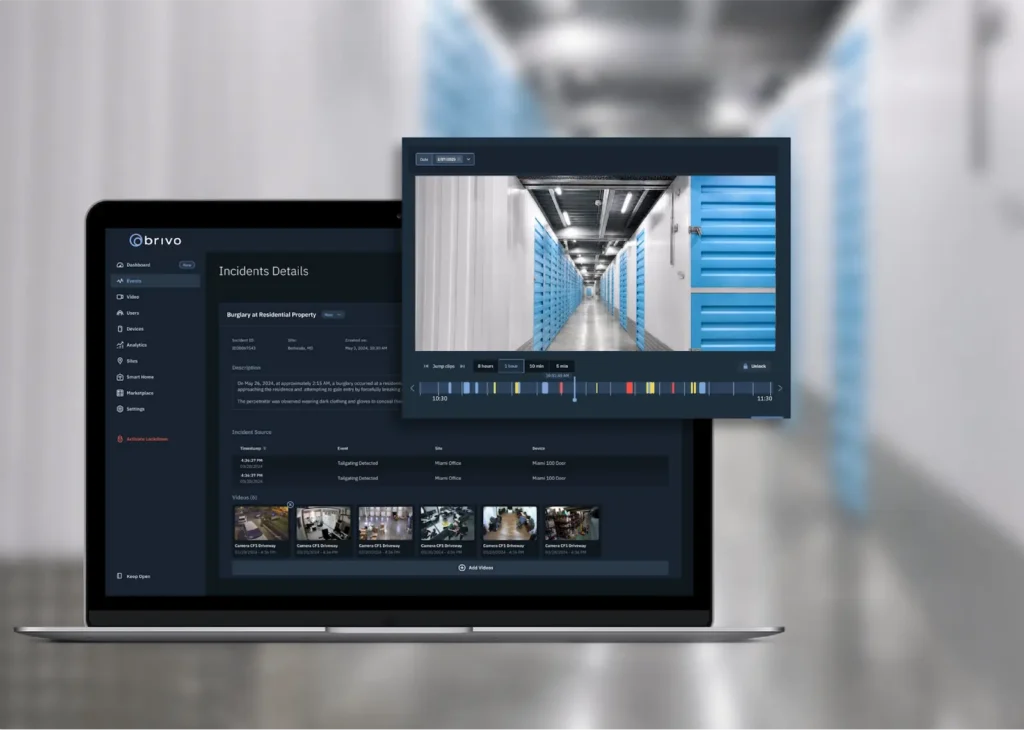
Remote video surveillance: Provides operators with live and recorded views across all unstaffed sites from a single, cloud-based interface.
AI-driven analytics: Automatically surface motion patterns and loitering, so teams only review activity that actually needs attention.
Event-based alarm and verification: Direct operators to the doors, gates, and cameras that matter, with the context needed to verify, dispatch, call, or document the event.
Access control: Links the door activity to the video, allowing operators to confirm what happened.
Two-way audio deterrence: Allows operators to speak directly to trespassers at remote locations using live “talk-down” audio, helping deter unwanted activity before emergency services are dispatched.
AI license plate recognition: Add vehicle-level visibility at gates, yards, and fleet areas, and automatically flags known “blacklisted” vehicles or logs unauthorized entry in unstaffed logistics hubs.
Integrations
How Does a Unified Cloud Platform Improve Remote Security Monitoring Services?
With Brivo Security Suite’s centralized cloud-native environment, operators can move faster because they don’t have to jump between tools and waste time.
- Hybrid modernization: Transition from fragmented, on-premise DVRs to integrated security management without a total “rip-and-replace” of existing hardware.
- Flexible rollout: Modernize your most vulnerable, unstaffed locations first, spanning new and legacy systems.
- Connected ecosystem: Supports broader security workflows through the Integration Marketplace.
- Multi-location control: Cloud scalability keeps policies consistent as your locations grow.
- Faster verification: Video linked with access events speeds up responses at doors and gates.
Platform
Essential Requirements for Remote Monitoring Security
When comparing reliable cloud-based remote monitoring systems, focus on how they handle verification, escalation, and everyday oversight.
Selecting a platform that prioritizes remote security monitoring services ensures that your team isn’t just collecting footage, but actively managing risk.
- Real-time alerts that reach the right team quickly.
- Clear alarm verification with low false alarm rates.
- Multi-site dashboards that reduce operator swivel-chair work.
- Analytics that highlight activities worth reviewing.
- Access control capabilities and integrations to improve the door and gate context.
- Support for vacant, low-staff, and contractor-dependent sites.
Proactive, Enterprise-Grade Security for Distributed Sites
Brivo gives operators a practical way to move beyond siloed tools and purely reactive site coverage.
By bringing video, access, alerts, and monitoring workflows together, the platform helps teams respond sooner and manage more locations with less manual effort. Brivo can also help meet enterprise security and compliance expectations through AICPA SOC 2 Type II and ISO/IEC 27001:2022 certifications.
Common Questions About Remote Monitoring Security and Unstaffed Facilities
How does remote video security monitoring reduce false alarms?
It reduces false alarms by adding analytics and verification before a response is triggered. Instead of reacting to every motion event, teams can review video context, confirm whether the activity is real, and escalate with more confidence.
What facilities benefit most from remote security monitoring services?
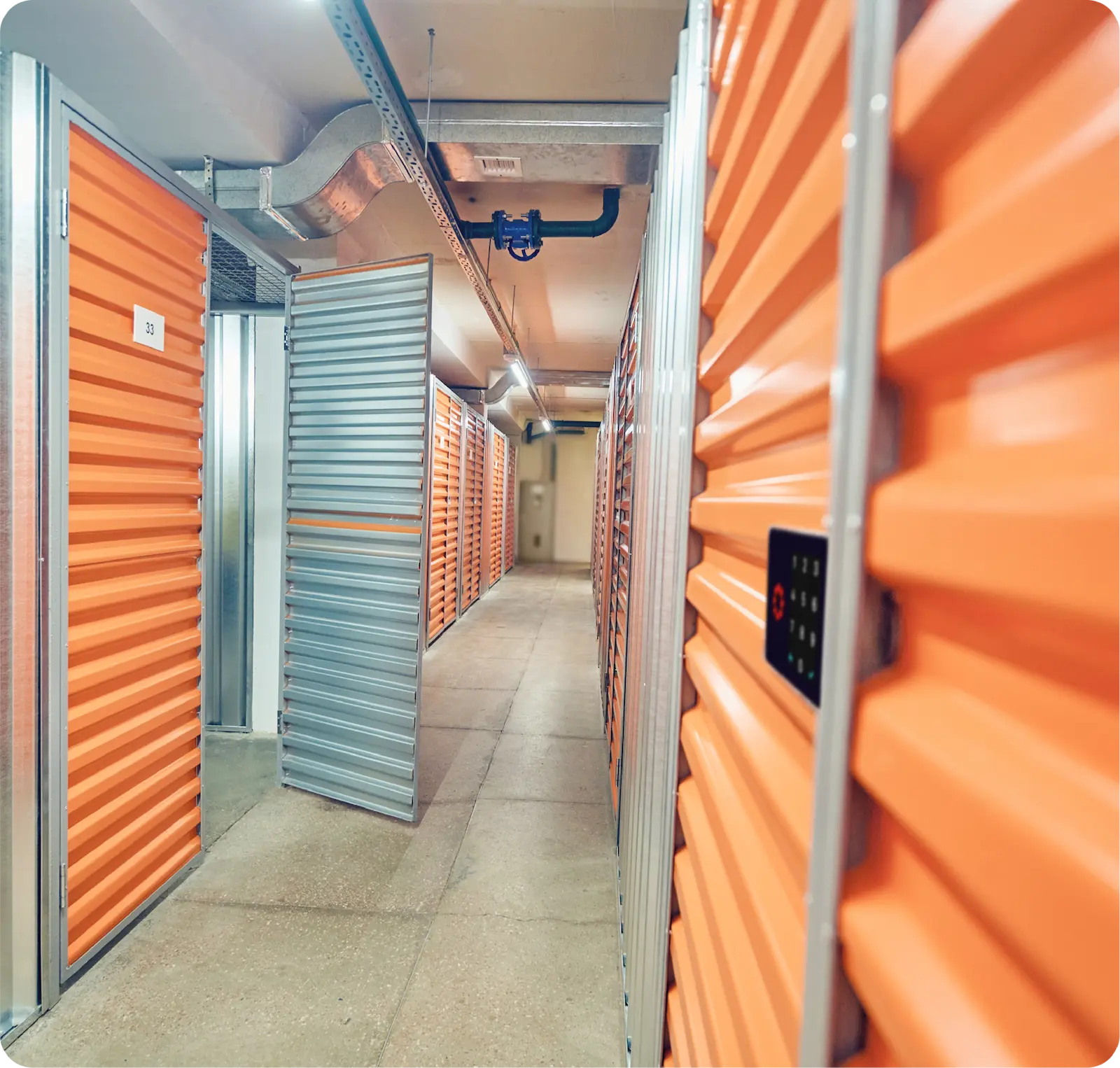
The biggest gains usually come at unstaffed, vacant, and after-hours locations. That includes empty buildings, storage yards, infrastructure sites, parking areas, and distributed properties where delayed discovery is a common risk.
Can remote monitoring security work with access control?
Yes. When video, alarms, and access control work together, operators can see whether a door or gate event matches expected activity. That gives teams better context and helps them respond faster.
How do I choose the right remote monitoring security solution?
Start with your site conditions, response expectations, and staffing model. Then look for a system that supports verification, integrates with existing tools, and provides real-time mobile alerts with low-latency video so that you can oversee sites from anywhere.
How is remote monitoring different from recorded surveillance?
Recorded surveillance footage is stored for later review. Remote monitoring adds event detection, alerts, verification, and a response path, so teams can act while an incident is still unfolding.