Architecture, Engineering, & Construction

Security Solutions that Preserve Design Intent

Trusted By
nike
prada
chick fil a
hotworx
whole foods
google
dollar tree
levis
YSL
greystar
Architecture Hero
Unified Physical Security

The Major Security Challenges Design Teams Face

In security system design, the biggest challenges for AEC (Architecture, Engineering, Construction) teams often come from late-stage changes.

Aesthetic disruption and retrofit risk. Security system design works best when it’s treated as part of architectural integration, not an add-on after elevations are finalized. Late-stage placement of readers, locks, and devices can require exposed-conduit and “make it work” changes that disrupt sightlines, finishes, and door detailing. 

Complexity across stakeholders. Owners, IT, security, integrators, tenants, and facilities teams all influence requirements, but they rarely enter the project with cohesive priorities or clear decisions. The earlier you plan for security, the easier it is to protect design intent, especially during the design development (DD) phase.

A Modern, Flexible Platform for Design-Led Security

Brivo combines architectural integrity with enterprise protection. Using discreet hardware and customizable finishes, it secures space without drawing attention to devices or requiring invasive wiring updates later. Behind the scenes, its SaaS-based platform consolidates access control, video surveillance, visitor management, intrusion detection into a single view. This cloud-based design allows organizations to scale storage and coverage over time, eliminating the need for expensive rip-and-replace.

Where Physical Security Intersects with Architecture and Design

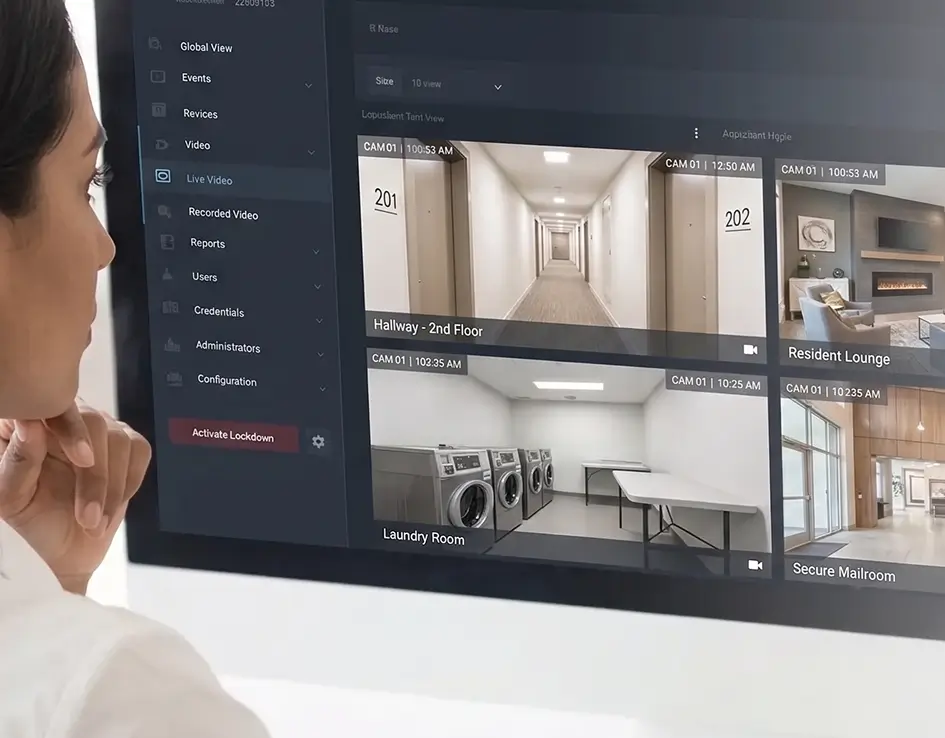
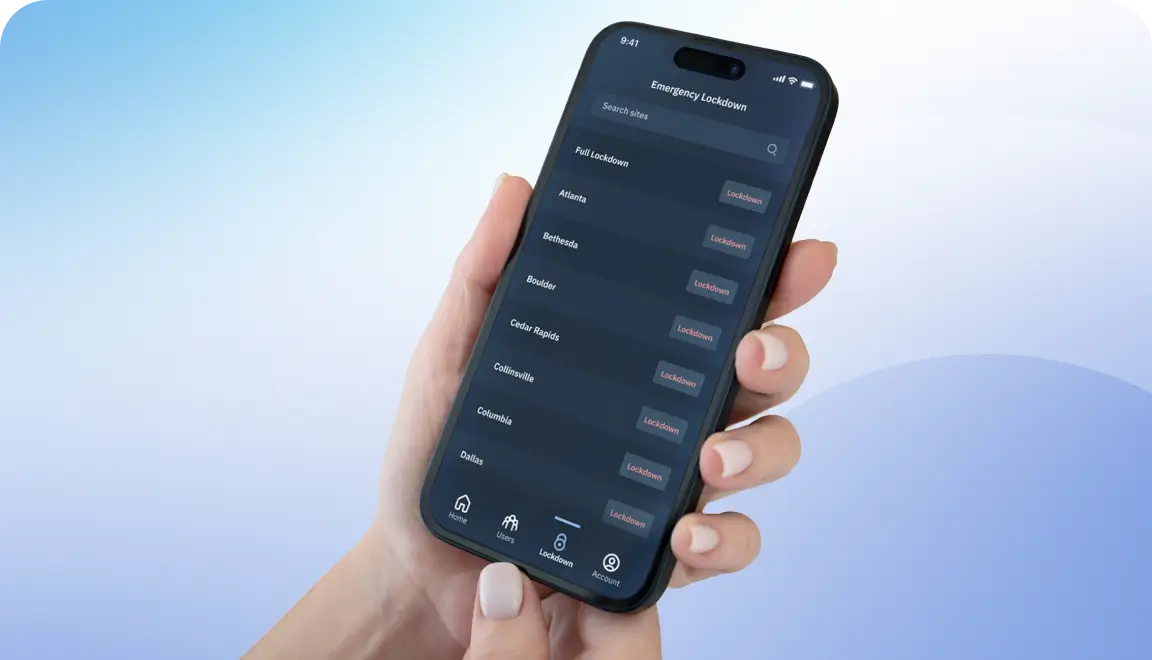
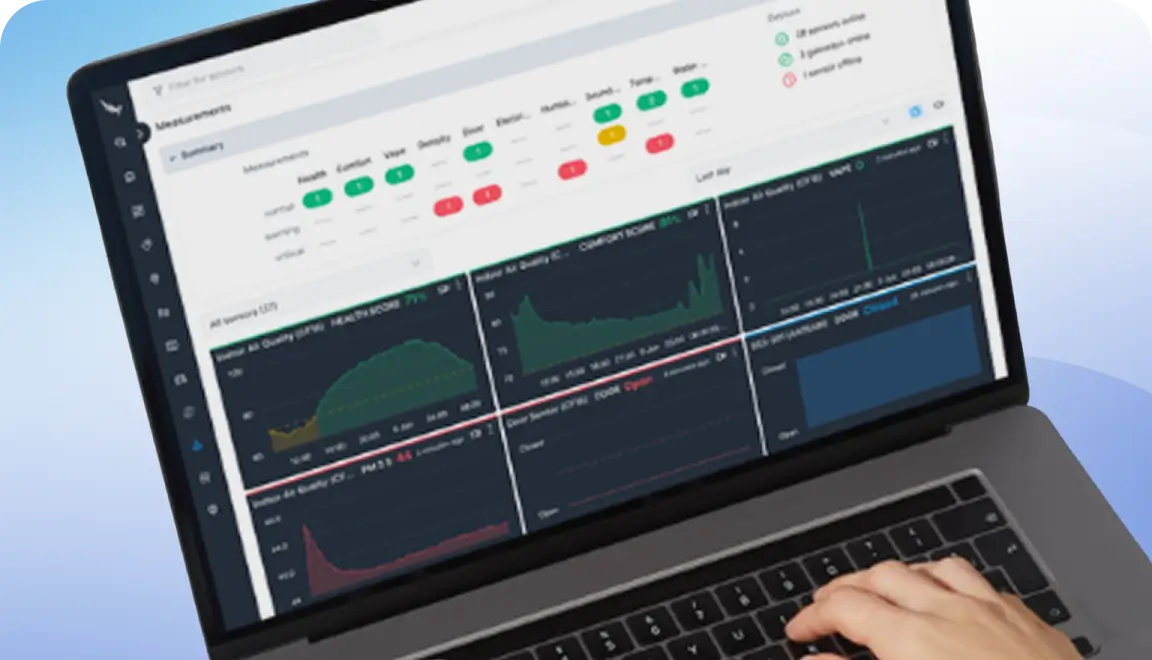
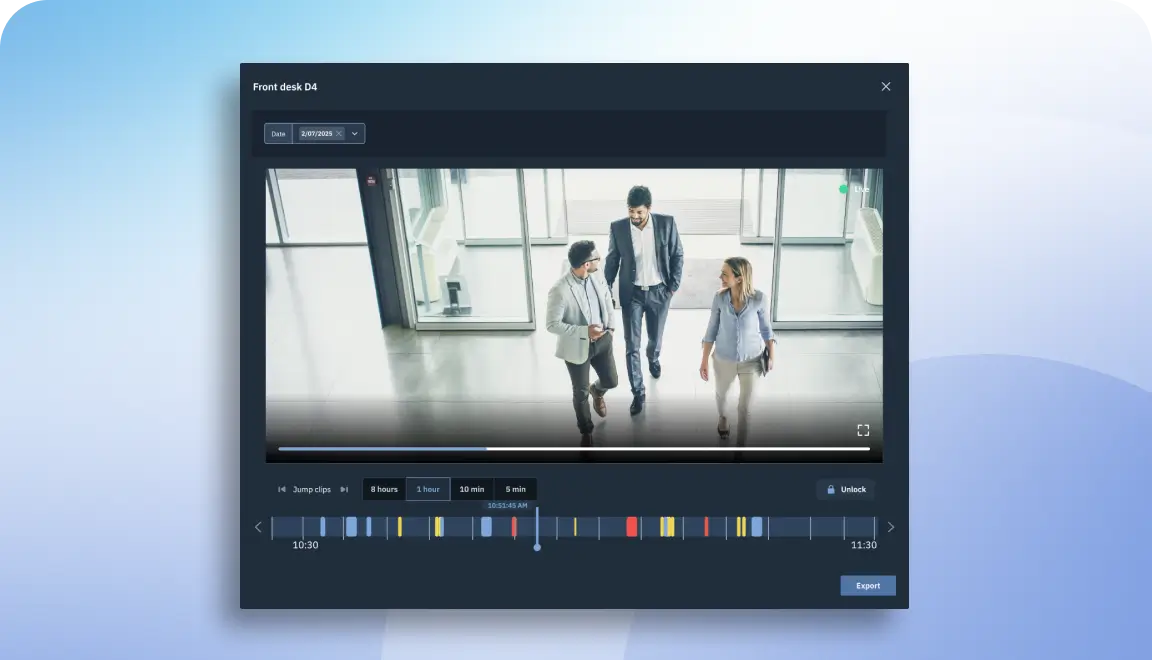
Brivo centralizes door events, video, and data in a single cloud dashboard, giving loss prevention teams instant visibility and significant context into suspicious activity, enabling them to verify incidents and respond quickly.
Site planning and circulation

Movement patterns shape secure zones, public-to-private transitions, and the entry flow your plans are trying to reinforce.

Perimeter and entry design

Exterior doors, gates, and vestibules determine where access points land and how users experience arrivals and exits.

top
Lobby and reception experience

Visitor flows can ensure a hospitality-first entry, supporting a frictionless check-in experience while still validating access (including Brivo Visitor Management, powered by Envoy, when used).

Door openings and hardware coordination

Access control design choices affect Division 08 hardware sets, detailing, and how readers and locks align with finishes and ADA needs.

Real-time alerts and remote response
Camera placement and sightlines

Camera system design impacts ceilings, lighting, and visible clutter, with Reflected Ceiling Plans (RCP) as the coordination battleground.

Shared amenity spaces and back-of-house areas

Gyms, garages, rooftops, delivery doors, and service corridors need rules that align with how people actually move, with utilization data helping operators make informed decisions about traffic flow.

CPTED considerations

Lighting, visibility, controlled entry points, and monitored areas all work together to support safer outcomes without overbuilding barriers.

store
Monitoring services for retailers
Brivo offers remote video monitoring for after-hours behavior and 24/7 oversight of access and intrusion events.
CPTED considerations

Lighting, visibility, controlled entry points, and monitored areas all work together to support safer outcomes without overbuilding barriers.

store
Capabilities

Brivo Enables Architects and Design Teams

One cloud platform — no patchwork. Give loss prevention and security teams a single console to view events with context and act quickly.
Design-friendly implementation for Division 08 and 28 coordination

Brivo supports A&E workflows by bridging the gap between physical door hardware and security technology. We provide the technical details and placement guidance needed to align Division 08 and 28 specifications early in the design process, ensuring security requirements are met without compromising architectural aesthetics. Teams can coordinate intent using CAD files, BIM/Revit families, and Bluebeam markups, reducing field improvisation and rework.

Hardware choice that matches the space

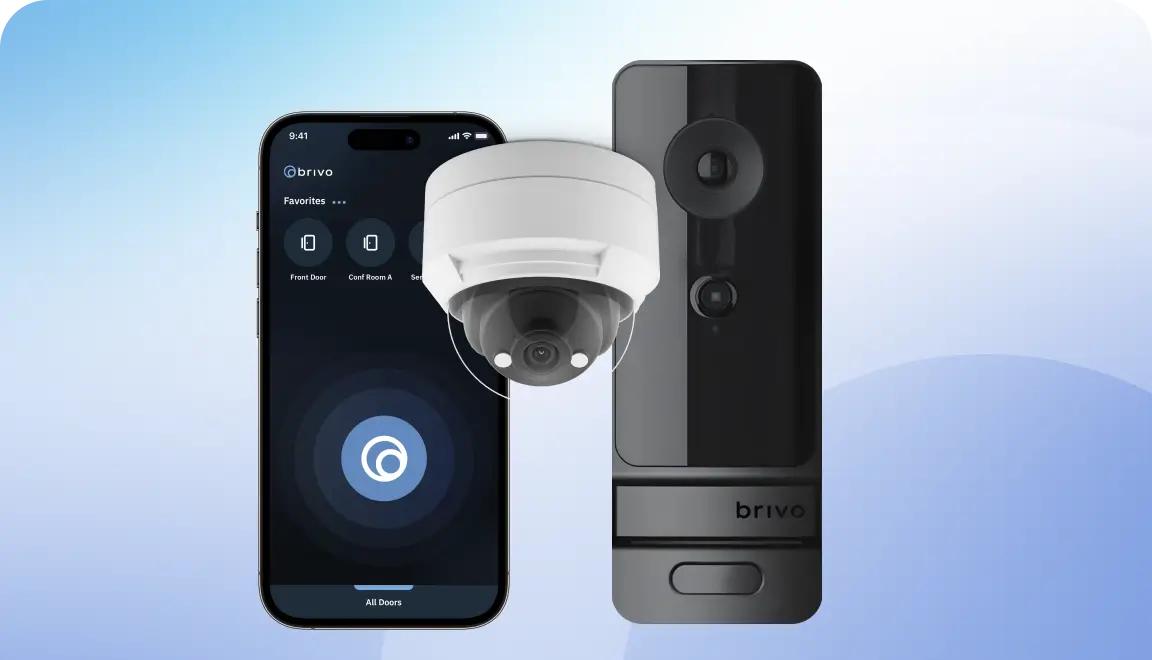
Brivo works with leading hardware providers so designers can specify the right model, finish, and form factor to preserve their design vision while not compromising security. Brivo Smart Readers and the Brivo Door Station support a sleek, consolidated approach at key entry points. This helps reduce visual clutter while meeting functional needs.

Clear stakeholder handoffs from design to operations

By grounding access system control design decisions in a single operating layer, owners, IT, integrators, and facilities teams can align on roles, schedules, and responsibilities earlier. Brivo supports this by keeping policies, permissions, and audit trails centralized on a single cloud platform from day one. That reduces scope drift and helps avoid inconsistent outcomes.

Better occupant and visitor experience

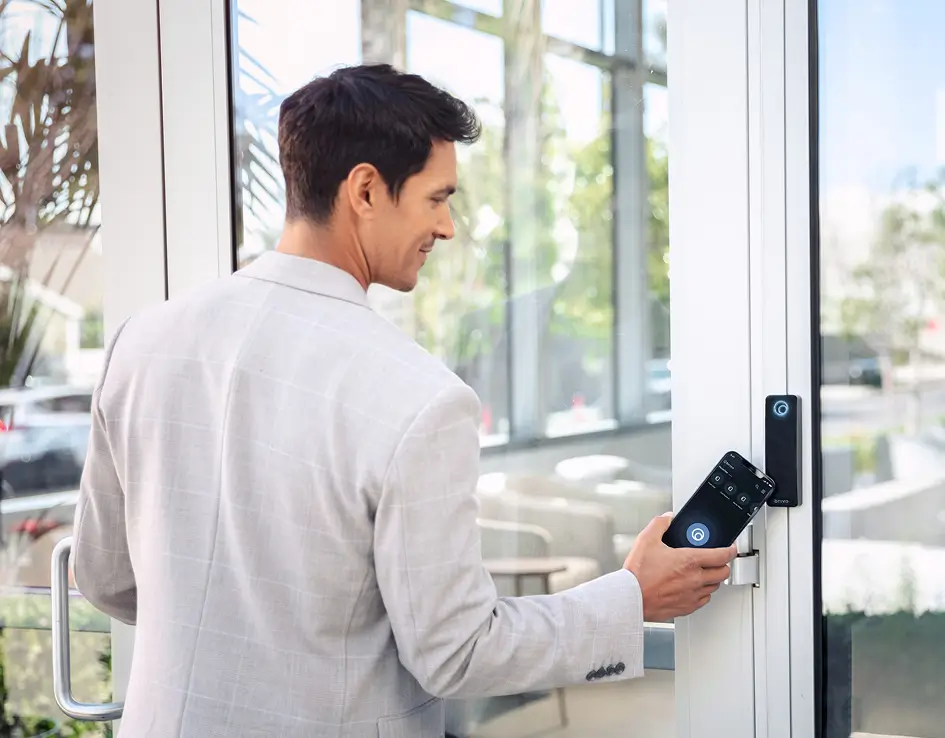
Support mobile-first entry without forcing it as the only option, with mobile access credentials that can live alongside cards and fobs. Digital wallet credentials can reduce friction at the door while maintaining consistent policies across user groups.

Repeatable standards for multi-location programs

For security portfolio teams, Brivo helps standardize policies, device categories, and documentation, so each new project starts with a proven baseline. That consistency supports repeatable commercial property design decisions without locking every building into the same layout.

Future-ready planning with cloud-native flexibility

Security requirements change, especially in AEC security programs, where tenant mix, IT standards, and risk tolerance evolve over time. Brivo’s cloud security platform supports expansion without requiring you to rebuild your security plan from scratch, helping protect your long-term design intent.

After-hours deliveries

Verify the delivery person or vehicle's access to the warehouse.

AI-assisted (Brivo Genius)

Receive AI support to find context around events instantly.

Scalable Across Sites

Multi-Site and Enterprise Support for Design-Led Projects

Operate multiple branches or stores with consistent security and clear ownership.
Security Compliance
Global brand and security compliance

Standardize security specifications across your global portfolio, delivering consistent access experiences from London to New York while allowing for necessary location-level variations.

Administration
Scalable multi-site administration

Enable seamless administrative growth as your organization expands its locations and user groups, managing everything through a single, unified access platform.

Templates
Repeatable design templates

Reduce architectural rework and streamline project timelines by aligning physical security decisions with repeatable design templates and standardized documentation patterns.

Cohesive video monitoring

Preserve visual cohesion with a unified camera approach across all sites. This allows architects to plan sightlines and reflected ceiling plans (RCP) once, avoiding camera conflicts with lighting and design features.

Integrations
Simplified ecosystem integrations

Eliminate the need for custom rebuilding on every new project. Seamlessly connect your enterprise environments with integrated security solutions through our open API platform and integrations.

Brivo Integrates With Your Tech Stack

Brivo works with the tools you already use and helps you avoid vendor lock-in. We partner with the leading SaaS platforms featured in our integrations.

Guesty
google
envoy
hotworx
mindbody
parkable
okta
levis
Officernd
park-stash
ripple
RP
sharry
sentryai
swiftlane
torus
telaeris
Allegion
2n
LMPM
iotas
livly
Project Plan

Implementation Timeline and How Design Teams Interface With Brivo

Brivo aligns security with every architectural phase. During design and development, it maps zones and coordinates devices to prevent late-stage surprises and protect design finishes. For construction and installation, clear Division 28 documentation reduces RFIs, while a unified video-and-access flow speeds up commissioning. At handoff, Brivo ensures day-one operational readiness with seamless control over user roles, schedules and credentials.

How the Brivo Security Suite Fits Into Design-Friendly Security

Brivo provides loss prevention teams with a unified cloud console for managing alerts, gathering evidence, and implementing chain-wide security policies built to scale without servers.

You can cut review times and reduce loss with unified access control, video, and intrusion alarms across every store and distribution center.

See how this approach elevates retail loss prevention and operations.

Common Questions About Security for Architects and Design Teams

More questions?

How can security system design be integrated into a building without disrupting aesthetics?

Start security system design early enough to coordinate devices, pathways, and mounting conditions with finishes, door schedules, and Reflected Ceiling Plans (RCP). When security is treated as “patched in” after key design decisions, teams often end up spending time and money fixing issues post-build, including aesthetic conflicts.

Brivo’s AEC security approach is designed to align design intent and security requirements earlier, so integrators and owners are not forced into last-minute hardware compromises.

What should architects consider when planning physical security at entrances, lobbies, and secure zones?

Start with a layered security plan that aligns with CPTED principles: define the perimeter, public areas, tenant or employee spaces, and restricted zones, then design clear transitions between them. 

Map credential presentation points to natural traffic flow to reduce bottlenecks and tailgating. Coordinate Division 08 door hardware with Division 28 device locations, power, and conduit early, and plan camera sightlines and fields of view so key doors and approaches are well covered and well lit. 

Avoid isolated employee entrances that invite tailgating or limit effective video monitoring. For lobbies, visitor workflows, and check-in requirements, plan up front, including kiosk placement and delivery routing where needed.


Why are cloud security platforms often a better fit than on-premises systems for modern building security system design?

Cloud models are built around broad network access and on-demand scaling. This ability to scale can make it easier to support changing tenant needs, phased construction, and multi-location rollouts without adding more on-site servers each time.

NIST summarizes the benefits of cloud computing and the trade-offs organizations should consider when weighing opportunities and risks. These benefits include: 

  • Cost savings (capex to opex)
  • Scalability
  • Increase agility
  • Quick deployment
  • Reduce IT 
  • Ease to embrace new tech, i.e., AI, etc
  • Stronger cybersecurity and disaster recovery

From a building-planning standpoint, cloud-based physical security can also reduce the local infrastructure burden and support centralized administration across locations.