Physical Security Sensors and Audio Devices
Proactive Response
Sensors and Audio Devices for Intrusion or Hazard Detection
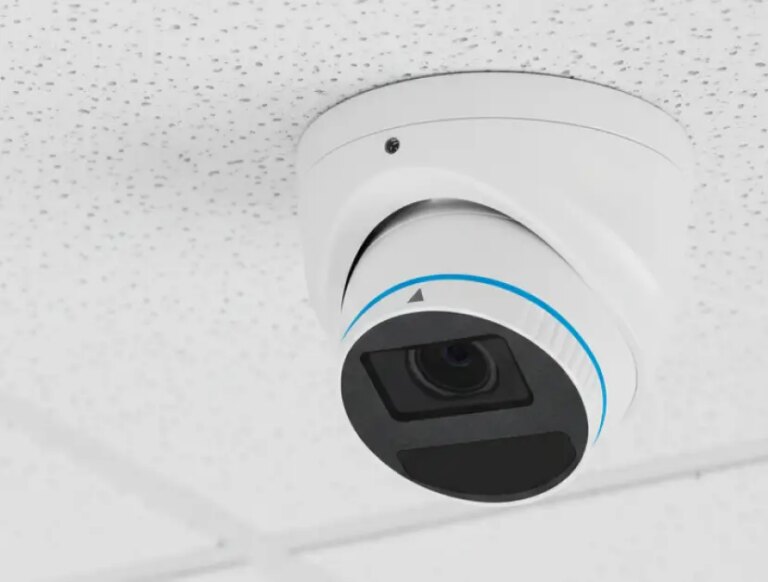
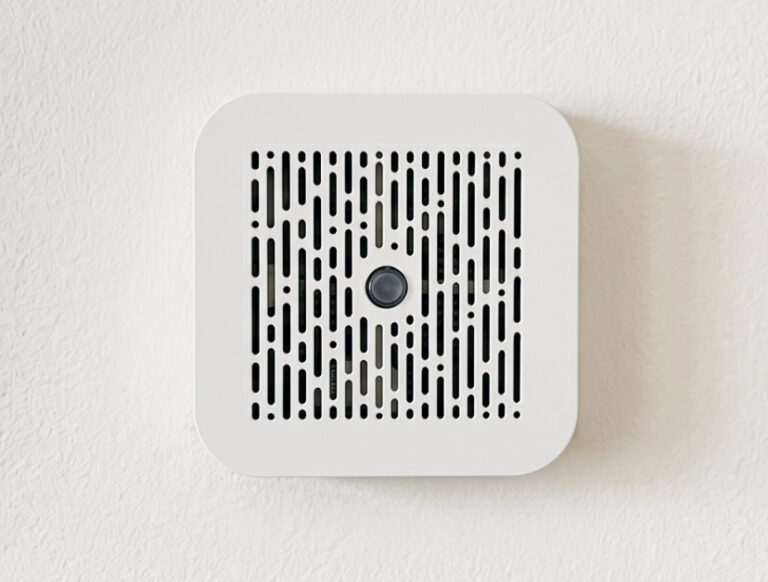
Physical sensors and audio devices transform passive monitoring into a proactive response system. By integrating these tools into the Brivo Security Suite and Brivo Eagle Eye Video, facilities can detect unauthorized movement, environmental hazards, and sound anomalies the moment they occur — not after the damage is done.
Use Cases
Powerful Security and Response Capabilities
Sensors and audio devices help teams move from detection to verification more quickly, providing clearer evidence for follow-up.
Door and access exception detection
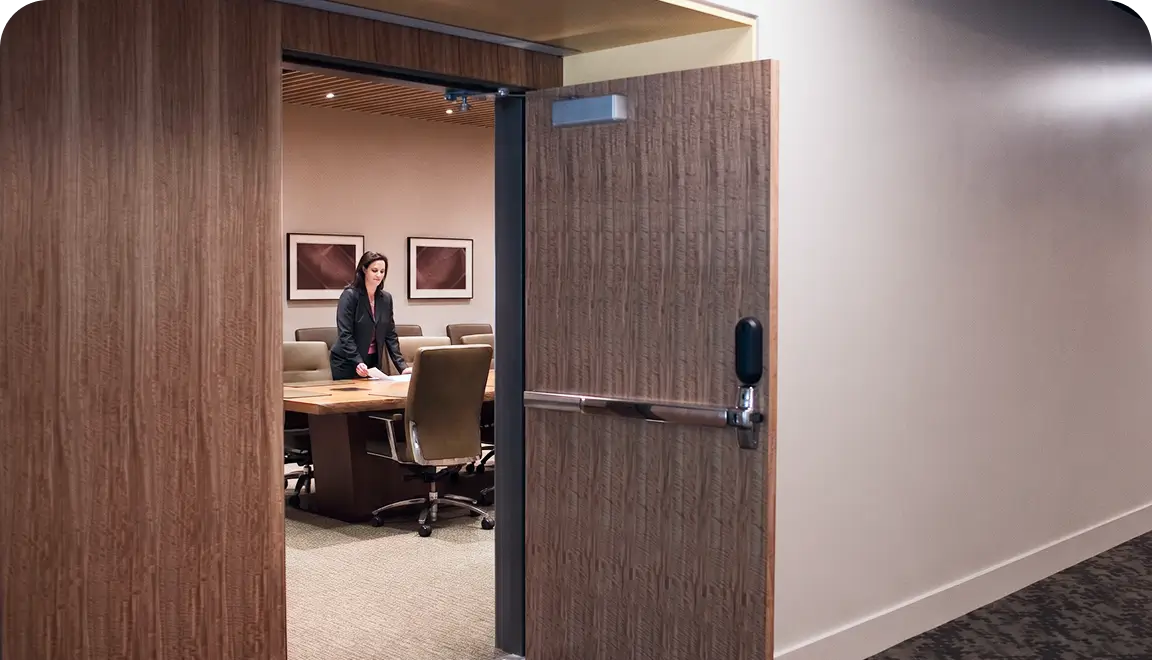
Capture door-open, forced-open, and held-open events, as well as access-granted or denied activity, then route alerts to the appropriate operators.
After-hours intrusion sensing
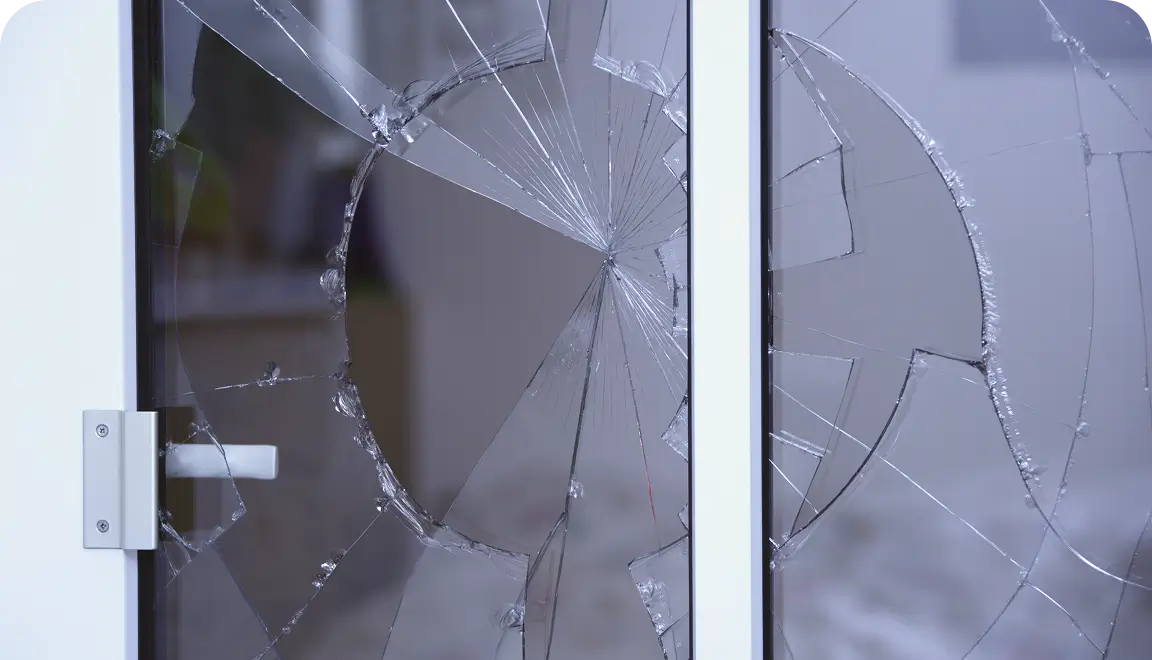
Use motion (PIR) detection and glass break sensing to flag unexpected activity, ensuring your commercial alarm monitoring system receives immediate, actionable data when spaces should be closed or unoccupied.
Environmental and vape alerts
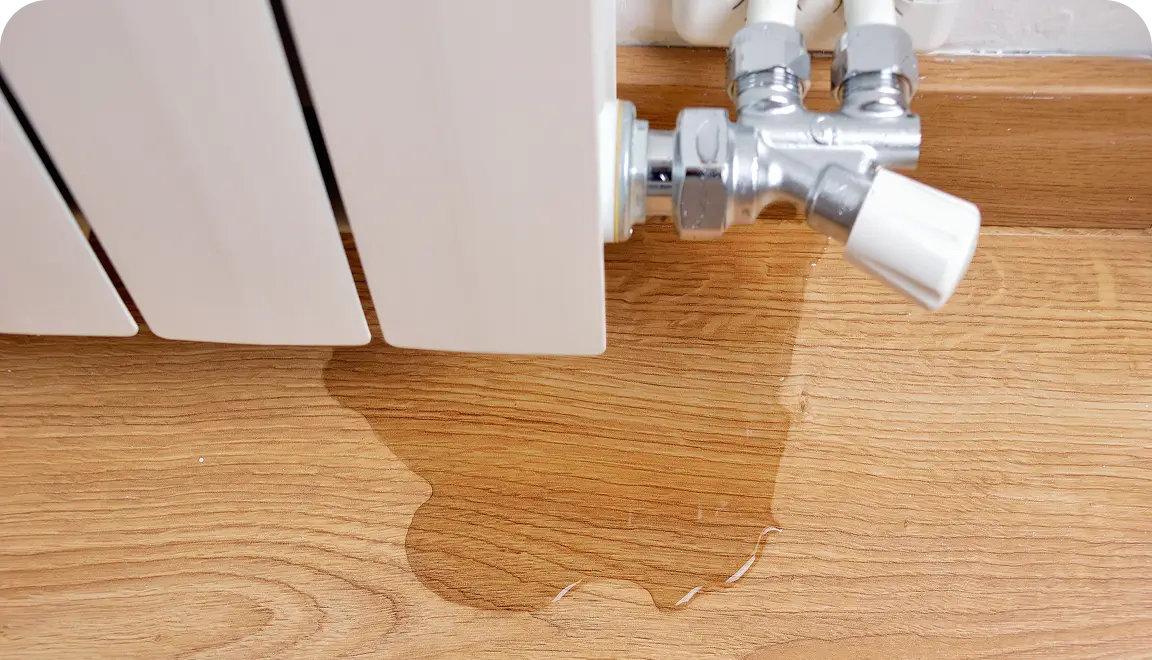
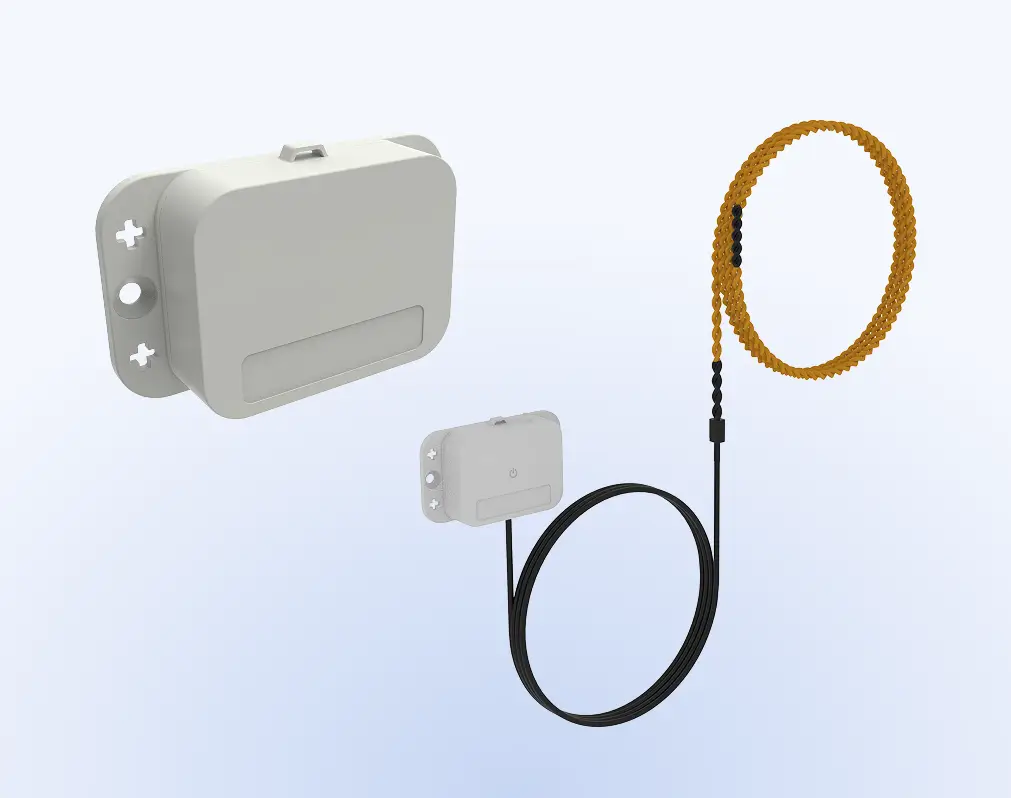
Detect water leaks, temperature and humidity shifts, and air quality issues like vaping to reduce damage and support a safety response.
Video verification and timelines
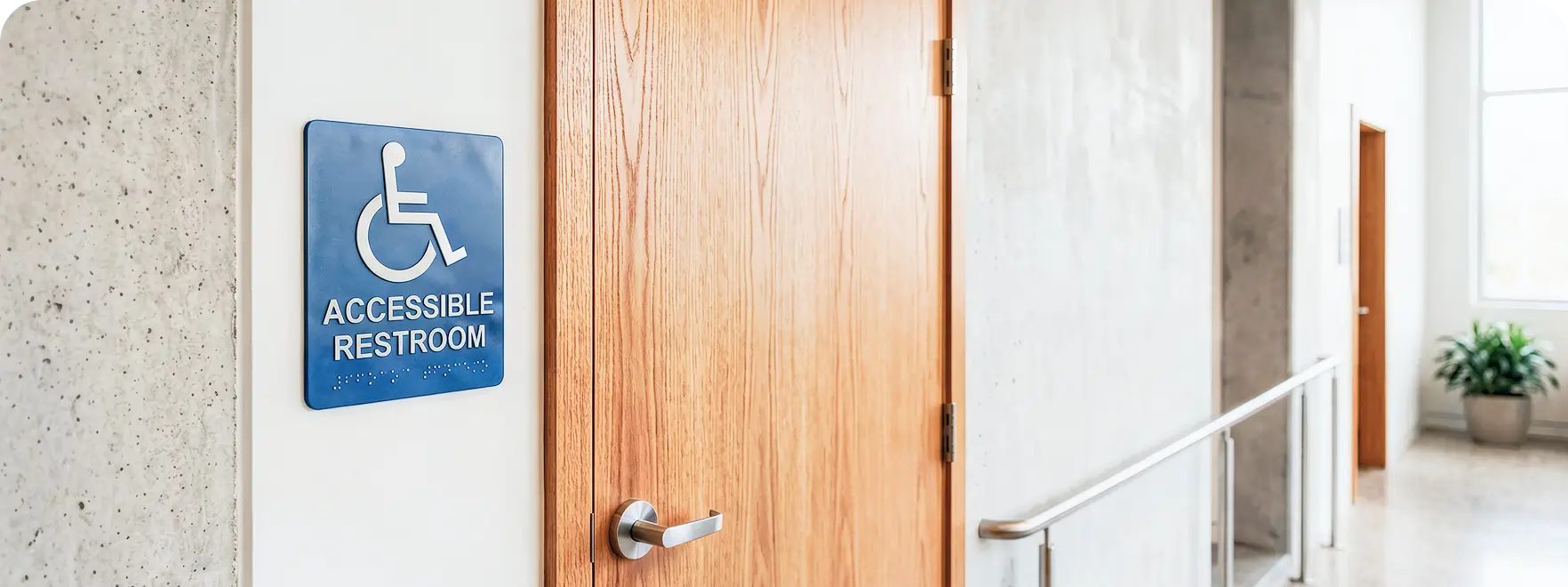
Sensor and access events are aligned with video to reduce false alarms and expedite reviews. A vape sensor in a restroom can flag video from a hallway camera to identify individuals exiting the area.
Remote audio intervention
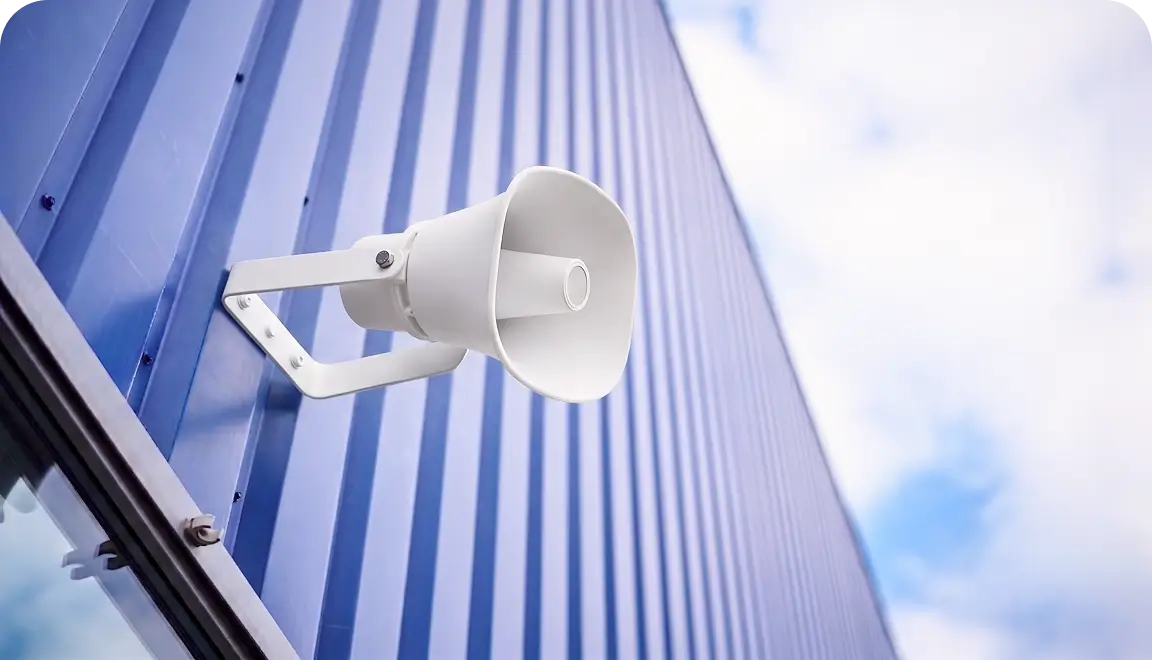
Execute remote verbal intervention via IP speakers; use “talk-down” capabilities to deter unauthorized visitors or provide emergency instructions without waiting for on-site personnel to arrive.
Emergency scenarios
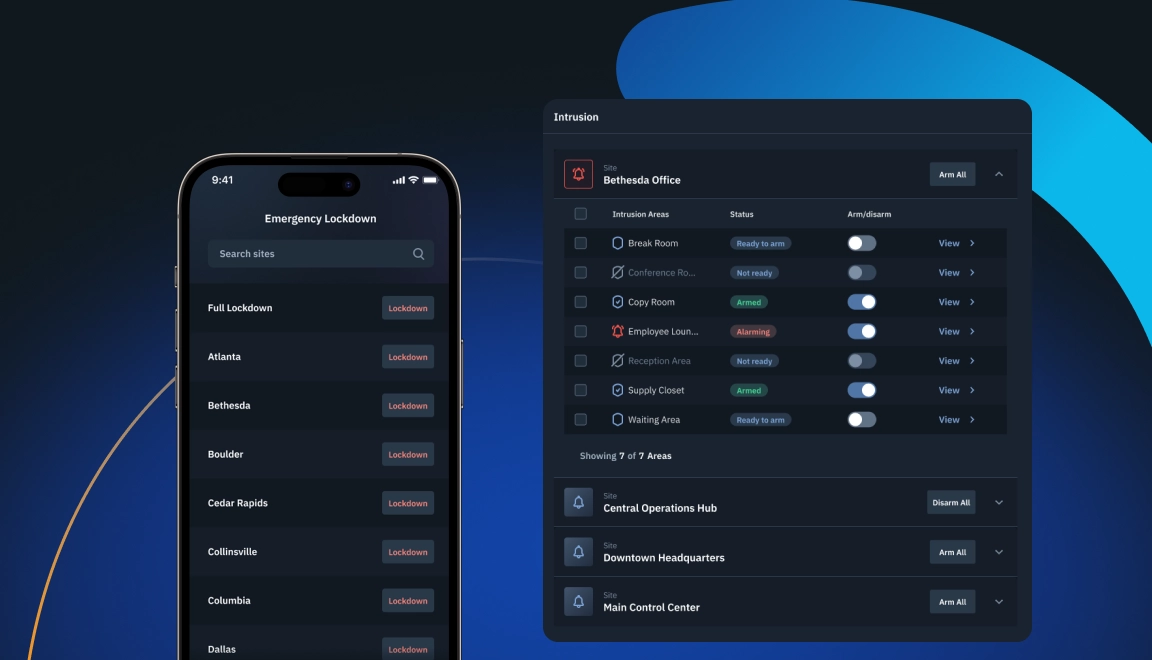
Use a one-touch tool to override schedules and emergency lockdown or egress via e-locks.
Event to Investigation
Physical Security Sensors from Detection to Response
Designate the trigger
A door opens unexpectedly at the perimeter, motion is detected after hours, a restricted area is accessed, or a water sensor flags a leak risk.
Generate the alert
Route the event to the right on-call staff with the door, zone, and time context needed to assess priority.
Verify with video
Use Brivo Eagle Eye Video to jump from the event to the related camera view to confirm whether it’s normal activity or a true exception.
Respond with the right action
Lock down a door if the policy allows, dispatch facilities for environmental hazards such as water leaks, or escalate to security when intrusion is suspected.
Intervene remotely when appropriate
Use IP speakers or two-way audio to issue instructions, deter unwanted behavior, or guide someone to safety without waiting for an on-site arrival.
Package evidence for follow-up
Export an incident report including the event timeline, access history, and video bookmarks. This documentation helps with risk assessments and proving compliance during an investigation.
Hardware
Brivo Sensors and Audio Devices
Brivo connects its cloud platform to supported commercial door locks and readers from other manufacturers, so you can manage who gets in without worrying about the hardware.
Note: U.S. audio recording laws vary by state. Organizations should align audio settings, notices, and signage with internal policy and legal guidance.
Sensors
Monitor and get alerted about air quality (vape detection), water presence, temperature/humidity levels, and door/contact sensors. Use Brivo-native sensors, such as motion (PIR), glass break, and request-to-exit (REX), within the Brivo Security Suite.
Audio devices
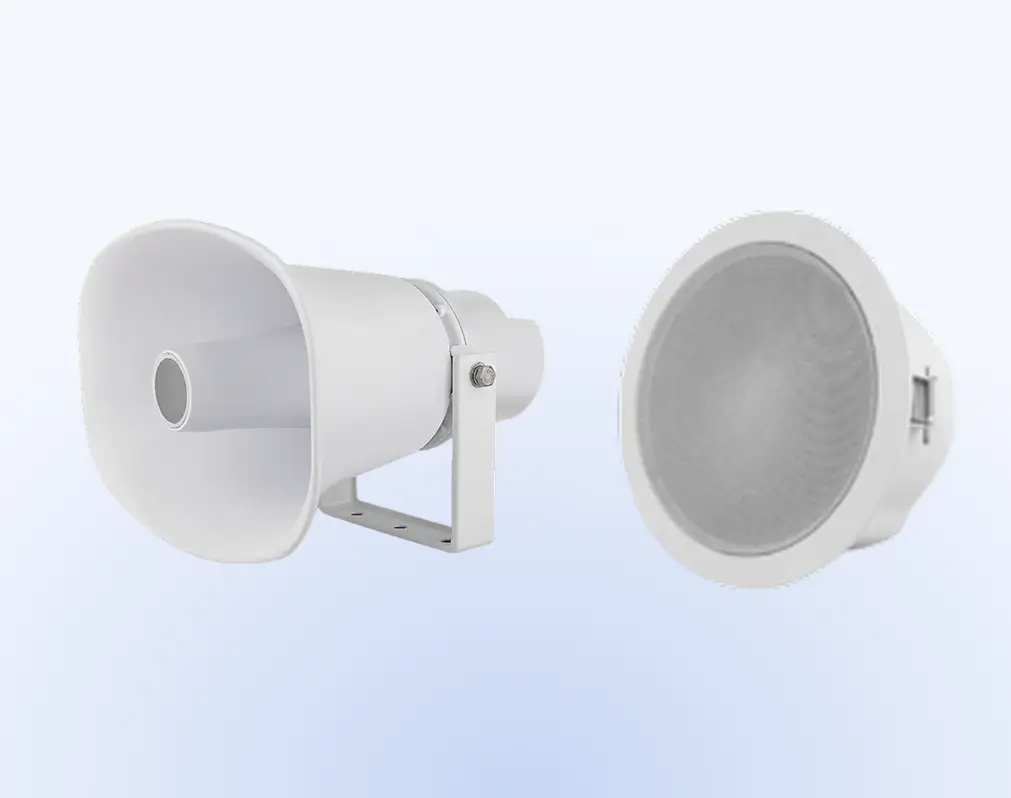
Brivo offers specialized IP audio hardware, including high-volume horn-style speakers, one with an integrated microphone for two-way audio talk-down, and a hybrid SIP I/O module that connects analog speakers to the Brivo cloud environment.
Platform
Sensors and Audio Devices in Brivo Security Suite
Environmental sensing with video context
Brivo Sensors feed Brivo Eagle Eye Video, including alerts for Indoor Air Quality (vape detection), Water Presence, Ambient Temperature & Humidity, and Magnetic Door Sensor.
Door state and access governance
Contact sensing adds door-open context to credential activity and schedules. Eeva can create custom video alerts while Gun Detection helps you spot potential threats sooner.
Intrusion detection inputs
Brivo Sensors can support intrusion workflows, including request-to-exit (REX), motion (PIR), glass break, door/window contacts, alarm zones, and occupancy triggers.
Event-to-video verification
Bring door and credential events into Brivo Eagle Eye Video to search video by activity and bookmark key moments for audits and investigations.
Remote audio intervention
Use Brivo Eagle Eye speakers with horns, microphones for two-way audio communication, and I/O modules to connect to analog speakers, so you can manage events in real time from anywhere.
Unified event history for review
Access a record of every sensor alert and door event with a video clip to reduce the time required for post-incident investigations and compliance audits.
Industries
Cloud-Based Control of Commercial Door Lock Systems
Enterprise
Multifamily
Commercial Business
Retail chains
After-hours deliveries, vendor access, and instant lockouts.
Healthcare
Medication and lab security, temporary staff access, and full audit trails.
Education
Classrooms and events, or quick replacements for lost badges.
Commercial real estate
Tenant move-ins, amenity doors, and contractor passes.
Manufacturing and logistics
Dock doors and cages or remote unlock for scheduled drops.
Comprehensive Security
How to Effectively Deploy Sensors and Audio Devices
Editions
Brivo Security Suite Customized for You
Common Questions About Physical Security Sensors and Audio
What are the most important physical security sensors for a commercial building?
Start with door/contact sensors to detect door-open, forced-open, and held-open conditions at perimeter and restricted doors.
Add motion sensors (PIR) for after-hours movement and areas where tailgating or unauthorized entry is a concern, plus glass-break for intrusion risk.
Then layer in environmental sensors, such as water leak detection (rope/area or point/puck), temperature and humidity, and air quality (including vape), where safety or asset protection is a concern.
Most sites also pair sensing with visual verification (cameras and analytics) and higher-assurance credentials such as biometric authentication or MFA, where configured.
What is the importance of door sensors and access control?
Door sensors tell you what the door did (opened, forced, or held), while access control tells you who was authorized (or denied) at that time. Together, they create a clearer timeline for investigations and make it easier to distinguish normal use from true exceptions.
How can a security camera with audio benefit the work environment?
Audio can help teams deter unwanted behavior, provide directions, and support safety messaging without being on site. Because consent and recording requirements vary, align audio use with internal policy, signage, and guidance from legal counsel.
What is two-way audio, and when should security teams use it?
Two-way audio lets operators speak and listen via a camera or an IP speaker when deployed. It’s useful for talk-down at entrances, guiding visitors or vendors, and supporting remote response during after-hours activity or safety concerns.
How do you reduce false alarms with motion and door sensors?
Good placement and calibration matter, especially near HVAC vents, rattling doors, or high-traffic areas. Use schedules and thresholds so alerts match operating hours, verify events with video before escalation, and tune settings during a pilot to reduce nuisance alerts over time.