

Fähigkeiten
Modernisierung der IT-/OT-Infrastruktur durch einheitliche physische Cloud-Sicherheit
Ein einziger Cloud-Standard verwandelt die physische Sicherheit in ein leistungsstarkes IT-Upgrade. Brivo verbindet IT und OT, indem es Identitäts-, Personal- und Gebäudemanagementsysteme über die Brivo Open API. Dadurch werden Türsteuerungen und Videoüberwachung denselben strengen Standards für Cybersicherheit und Governance unterworfen wie Ihr Netzwerk und Ihre Unternehmensanwendungen, wodurch sichergestellt wird, dass physische Hardware niemals zu einer Hintertür in Ihr Netzwerk wird.
Vereinheitlichung der IT-Standards mit physischer Sicherheit
Je mehr Ihre Infrastruktur wächst, desto mehr werden einzelne Sicherheitskonfigurationen zu einem zusätzlichen Problem für Ihr IT-Team, das den Support dafür leisten muss.
Brivo vereint Zutrittskontrolle, Besuchermanagement, Videoüberwachung und Einbruchschutz unter denselben Standards, die Sie auch für den Rest Ihrer Technologieplattform nutzen. Auf diese Weise ist Sicherheit kein isolierter Bereich mehr, sondern wird zu einem integralen Bestandteil Ihrer übergreifenden Technologiestrategie.
Zentralisierte Richtlinien- und Identitätsverwaltung
Den physischen Zugang an die Identität binden Software , sodass sich bei Rollenänderungen und Kündigungen die Berechtigungen automatisch aktualisieren.
Standardisierte Bereitstellung
Nutzen Sie Single Sign-On (SSO) und die Verzeichnissynchronisierung, um beim Onboarding entsprechende Berechtigungen einzurichten und diese beim Offboarding wieder zu entfernen.
Netzwerksegmentierung und Gerätehygiene
Installieren Sie Steuerungen und Brücken in segmentierten Netzwerken, wenden Sie Ihre Firewall-Regeln an und überwachen Sie die Verbindungen zur Brivo-Cloud über verschlüsselte Kanäle.
Einheitliche Transparenz in den Bereichen Zugang, Video und Einbruchserkennung
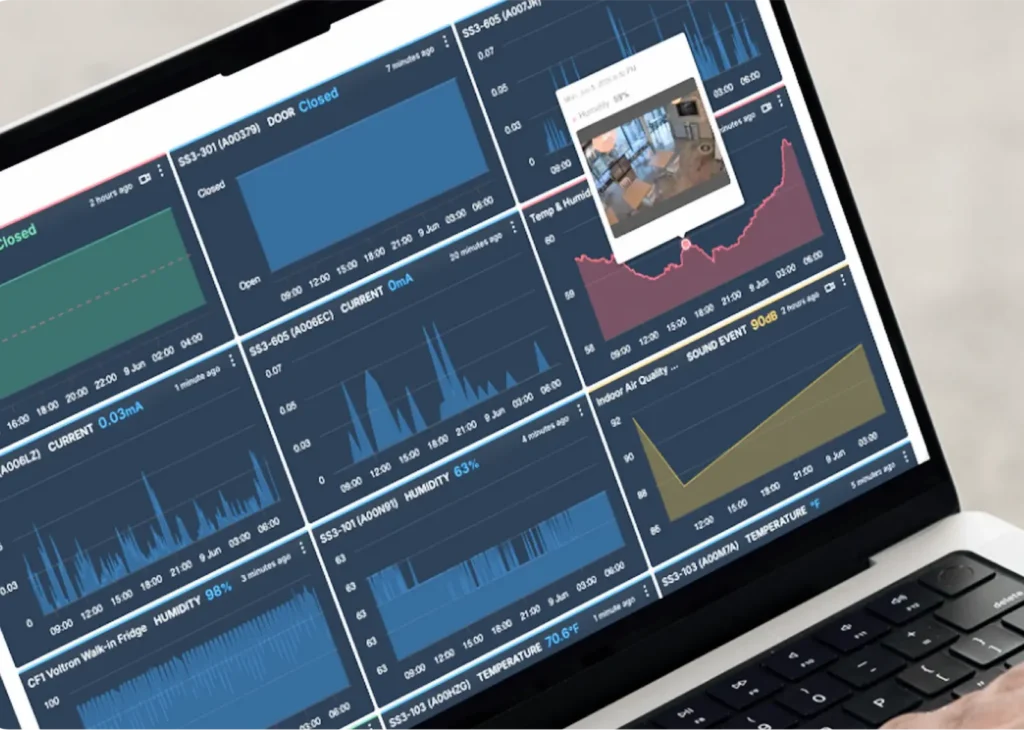
Zentralisieren Sie Ereignisse und Kontext über Türen, Kameras und Einbruchmelder hinweg. IT- und Sicherheitsteams können sich hinsichtlich der Reaktion und Berichterstattung abstimmen, ohne zwischen verschiedenen Systemen hin- und herwechseln zu müssen.
Cybersicherheit durch konzeptionelle Gestaltung
Brivo hält sich an Sicherheits- und Compliance-Standards von Drittanbietern und setzt eine starke Verschlüsselung ein. Verringern Sie das Risiko, dass vernetzte physische Geräte zu einem Einfallstor in Ihre gesamte Umgebung werden.
Zero-Trust
Architektur und Zero-Trust-Prinzipien
Sie möchten, dass Ihre physische Sicherheit derselben Devise „Niemals vertrauen, immer überprüfen“ folgt, die Sie auch in anderen Bereichen anwenden.
Bedarfsgerechte Zugriffsrechte: Definieren Sie Rollen, die jeder Person ausschließlich Zugriff auf die Türen, Zeitfenster und Videorechte gewähren, die sie benötigt. Sie können dabei Ihre Organisationsstruktur widerspiegeln und weit gefasste „Master“-Profile entfernen, die sich nur schwer rechtfertigen lassen.
Rollenbasierte Zugriffskontrolle (RBAC): Trennung der Aufgabenbereiche zwischen Unternehmenssicherheit, Facility Management, IT und vor Ort tätigen Mitarbeitern. Die RBAC-Funktion in Brivo stellt klar, wer Richtlinien ändern, wer Untersuchungen durchführen und wer lediglich Einsicht nehmen darf.
Sichere Protokolle und verschlüsselte Kommunikation: Die Geräte kommunizieren über verschlüsselte Kanäle mit der Brivo-Cloud, und die Daten sind sowohl während der Übertragung als auch im Ruhezustand geschützt.
Kontinuierliche Protokollierung und Überprüfung: Alle Zugriffsentscheidungen, administrativen Änderungen und Anmeldungen werden protokolliert. Dieser Prüfpfad unterstützt Ihre Zero-Trust-Strategie, da Sie damit nachvollziehen können, wer welche Aktionen wann durchgeführt hat. Darüber hinaus entspricht er strengen regulatorischen Anforderungen.
Einhaltung gesetzlicher Vorschriften
Einhaltung der SOC 2 Typ II- und ISO/IEC-Standards
Die physische Sicherheit bildet die Grundlage jeder umfassenden Sicherheitsprüfung. Brivo unterstützt Sie dabei, die physische Sicherheit mit Ihren Governance-Programmen in Einklang zu bringen, sodass Sie sicher beantworten können: „Wer hatte wann und gemäß welcher Richtlinie Zugang?“
Brivo verfügt über Zertifizierungen wie SOC 2 Typ II und ISO/IEC 27001:2022, deren Kontrollmaßnahmen sich auf Produktsicherheit, Zuverlässigkeit und Verfügbarkeit konzentrieren. Diese Vorgehensweisen bilden die Grundlage für Ihre Bereitstellung und bieten Risiko- und Compliance-Teams einen klaren Bezugsrahmen.
- Richtliniengesteuerte Rollen und Änderungsprotokolle, die die Überprüfung von Zugriffsrechten unterstützen.
- Konfigurierbare Aufbewahrungsfristen für Ereignisse und Videoaufzeichnungen zur Einhaltung von Richtlinien und Vorschriften.
- Prüfpfade, die Ausweisereignisse, Administratoraktionen und den Verlauf von Vorfällen standortübergreifend anzeigen.
Die physische Sicherheit wandelt sich von einer Prüfungsbelastung zu einer nachprüfbaren Datenquelle für die Compliance- und Risikoberichterstattung.
Integrationen
API ermöglicht Identitätsverknüpfung und Automatisierung
Isolierte Tools für die physische Sicherheit verursachen zusätzlichen Arbeitsaufwand und führen zu blinden Flecken. Brivo bietet APIs und Identitätsintegrationen, die es IT- und Sicherheitsteams ermöglichen, das physische Zutrittsmanagement und die Überwachung von Einrichtungen in ihre automatisierten Arbeitsabläufe zu integrieren.
Anstatt diese separat zu verwalten, entfällt die manuelle Bereitstellung und es wird eine einheitliche Quelle für verlässliche Identitätsdaten bereitgestellt.
- SSO mit SAML und OIDC. Verbinden Sie die Brivo Security Suite mit Anbietern wie Okta, Azure AD oder Google Workspace. Administratoren und Benutzer können sich mit ihren bestehenden Identitäten und Richtlinien anmelden.
- Verzeichnis- und SCIM-konforme Benutzersynchronisierung. Nutzen Sie Identitätskonnektoren, um Brivo stets mit Ihrer zentralen Datenquelle synchron zu halten. Wenn Mitarbeiter neu hinzukommen, versetzt werden oder das Unternehmen verlassen, werden ihre Zugangsrechte automatisch angepasst, ohne dass eine manuelle Änderung in einer separaten Konsole erforderlich ist.
- Ereignisse und Integrationen für Ihre Tools. Nutzen Sie APIs, um Zugriffs- und Alarmdaten in Ticket-, Analyse- oder Überwachungsplattformen einzuspeisen. Vorfälle können in Ihren bestehenden Warteschlangen eröffnet werden, nicht in einem isolierten Posteingang.
Sprechen Sie mit unseren Experten
Planen Sie die IT/OT-Konvergenz für Ihre physischen Sicherheitssysteme? Die Lösungsarchitekten von Brivo können Ihnen dabei helfen, Ihre Cloud-Lösung so zu gestalten, dass sie den IT-Anforderungen gerecht wird.
Häufige Fragen zur IT/OT-Konvergenz
Inwiefern unterstützt Brivo die IT/OT-Konvergenz in Unternehmensumgebungen?
Brivo verwaltet Steuerungen, Lesegeräte und Kameras über eine Cloud-Plattform, die den IT-Standards entspricht. Sie können Identitätsanbieter für SSO nutzen, eine rollenbasierte Verwaltung einrichten, Netzwerke für Geräte segmentieren sowie Protokolle und Warnmeldungen zentralisieren.
Dies ermöglicht es IT- und Sicherheitsteams, die physische Sicherheit zu verwalten, indem sie andere IT-Tools – wie beispielsweise Identitätsmanagementsysteme – nutzen, um Arbeitsabläufe zu optimieren und Konsistenz zu gewährleisten – und zwar mit denselben Tools und Prozessen, die sie auch für andere kritische Systeme einsetzen.
An welche Sicherheitsstandards oder -rahmenwerke hält sich Brivo?
Die Dienstleistungen von Brivo werden anhand von Rahmenwerken wie SOC 2 Typ II und ISO/IEC 27001:2022 geprüft, die die Bereiche Sicherheit, Verfügbarkeit und Vertraulichkeit abdecken.
Diese Zertifizierungen unterstützen die gemeinsamen Kontrollziele, die im Rahmen von Zero-Trust- und umfassenderen Informationssicherheitsprogrammen zum Einsatz kommen, und bieten Prüfern einen klaren Anhaltspunkt dafür, wie die Plattform verwaltet wird. Erfahren Sie mehr über unsere umfassenden Maßnahmen zur Gewährleistung von Sicherheit und Compliance Brivo Security – Whitepaper.
Lässt sich Brivo in Identitätsanbieter wie Okta, Azure AD oder Google Workspace integrieren?
Ja. Brivo unterstützt SAML und OIDC für Single Sign-On, sodass Sie eine Verbindung zu Anbietern wie Okta, Azure AD und Google Workspace herstellen können.
Mithilfe von Identitätskonnektoren können Sie Benutzer und Gruppen aus Ihrem Verzeichnis mit Brivo synchronisieren, wodurch die Bereitstellung vereinfacht wird und die Zugriffsrechte auch dann angepasst bleiben, wenn Mitarbeiter ihre Rolle wechseln.
Wie schützt Brivo vernetzte Sicherheitsgeräte vor Cyberbedrohungen?
Brivo-Geräte kommunizieren über verschlüsselte Kanäle mit der Cloud und sind für den Einsatz in segmentierten Netzwerken hinter Ihren Firewalls konzipiert. Die Plattform hält sich an sichere Entwicklungs- und Betriebsverfahren, und ihre Sicherheit wird durch unabhängige Zertifizierungsprüfungen bewertet.
In Verbindung mit Ihren eigenen Netzwerk- und Endgerätestandards verringert dies das Sicherheitsrisiko für angeschlossene Sicherheitshardware.
Welche Audit- und Compliance-Tools stehen IT-Teams zur Verfügung?
Brivo bietet detaillierte Protokolle zu Zugriffsereignissen, Administratoraktionen und Anmeldeaktivitäten sowie konfigurierbare Optionen zur Aufbewahrungsdauer und zum Export.
IT- und Sicherheitsteams können diese Datensätze in der Brivo-Konsole einsehen oder in bestehende Berichts- und Überwachungstools importieren. In beiden Fällen können diese Datensätze Audits, Untersuchungen von Vorfällen und regelmäßige Zugriffskontrollen an allen Standorten unterstützen.
Werden die Daten bei der Übertragung zwischen den Geräten und der Cloud verschlüsselt?
Ja. Brivo verschlüsselt Daten während der Übertragung zwischen den Geräten und der Cloud und schützt gespeicherte Daten, um unbefugten Zugriff zu verhindern. Dazu gehören Zugriffsereignisse, Konfigurationsdaten sowie gegebenenfalls Video- und Protokollaufzeichnungen, die alle zur Erfüllung von Sicherheits- und Compliance-Anforderungen beitragen.
Brivo unterstützt zudem TLS 1.3-Verbindungen, und alle Bedienfelder kommunizieren über HTTPS, das mit TLS 1.2 oder höher gesichert ist, wobei eine 256-Bit-AES-Verschlüsselung sowie digitale Zertifikate zur Authentifizierung zum Einsatz kommen.
Wie optimieren Sie die Bereitstellungszeitpläne im Hinblick auf Cybersicherheit und IT-Konvergenz?
Ganz gleich, ob Sie auf eine einzige Plattform umstellen oder Altsysteme ersetzen – Brivo unterstützt Sie bei der Einführung von Lösungen, die genau auf Ihr Unternehmen zugeschnitten sind.
- Neubauprojekte. Planen Sie neue Gebäude von Anfang an auf der Grundlage von mit der Cloud verbundenen Steuerungen, Kameras und Identitätsmanagement – mit Vorlagen, die Sie auf zukünftige Standorte übertragen können.
- Nachrüstung und Migrationen. Wiederverwendung von Lesegerätenund Kameras dort einsetzen, wo es sinnvoll ist, und Standorte in Brivo integrieren, ohne eine vollständige Neuinstallation vornehmen zu müssen. Den Betrieb aufrechterhalten und gleichzeitig die Anzahl der lokalen Hardwarekomponenten und isolierten Server reduzieren.
- Schrittweise Einführung. Beginnen Sie mit einer Pilotregion oder einem Geschäftsbereich und verfeinern Sie die Standards. Führen Sie das System anschließend schrittweise ein, indem Sie gemeinsame Vorlagen für Türen, Rollen und Zeitpläne verwenden, damit jeder neue Standort mit einheitlichen Einstellungen in Betrieb genommen wird.
- Vorlagen für mehrere Regionen. Wenden Sie weltweit eine einheitliche Grundrichtlinie an und passen Sie Arbeitszeiten, Feiertage und lokale Vorschriften je nach Region an. Bewahren Sie Konsistenz, ohne an Flexibilität einzubüßen.
Diese Vorgehensweisen helfen Ihnen dabei, Ausfallzeiten zu reduzieren, unerwartete Ausfälle zu vermeiden und Projekte sowohl für die IT als auch für den Sicherheitsbereich planbar zu halten.
Welche Ergebnisse und welchen ROI erzielen IT- und Sicherheitsteams, die sich auf die Konvergenz von IT und OT konzentrieren?
IT- und Sicherheitsteams legen Wert auf Risiko, Kosten und Zeit. Eine konvergente, cloudbasierte Plattform hilft Ihnen dabei, alle drei Faktoren in die richtige Richtung zu lenken. Mit Brivo können Sie:
- Kosten kontrollieren indem Sie einzelne Server und Hardware aus dem Verkehr ziehen und mehr Standorte effizienter in der Cloud verwalten.
- Risiken reduzieren durch die Durchsetzung einheitlicher Richtlinien, die Schließung nicht mehr genutzter Konten und einen besseren Überblick darüber, wer wann auf welche Daten zugegriffen hat.
- Reagieren Sie schneller indem Sie Türen, Alarme und Videobilder an einem Ort einsehen, anstatt Vorfälle über verschiedene Systeme hinweg zusammenzusetzen.
Im Laufe der Zeit führen diese Vorteile zu weniger Vorfällen, einwandfreien Prüfungen und einer Sicherheitsinfrastruktur, deren Verwaltung einfacher ist.