
Branchenlösungen
Sicherheitssysteme für Regierungsgebäude: Mehrschichtiger Schutz für Einrichtungen des öffentlichen Sektors
Die Sicherheit von Regierungsgebäuden stellt eine große Herausforderung dar. Viele Gebäude verfügen über offene Eingänge, Arbeitsbereiche, die ausschließlich dem Personal vorbehalten sind, Archivräume, Technikräume, Gerichtssäle oder Ratssäle sowie Sicherheitsbereiche, die den ganzen Tag über stark frequentiert sind.
Ein Rathaus, eine Bibliothek, ein Bauhof oder eine Verwaltungsstelle – sie alle können unterschiedlichen Risiken ausgesetzt sein. Dennoch ist das Anliegen dasselbe: Schutz zu gewährleisten, ohne den täglichen Dienstbetrieb zu erschweren.
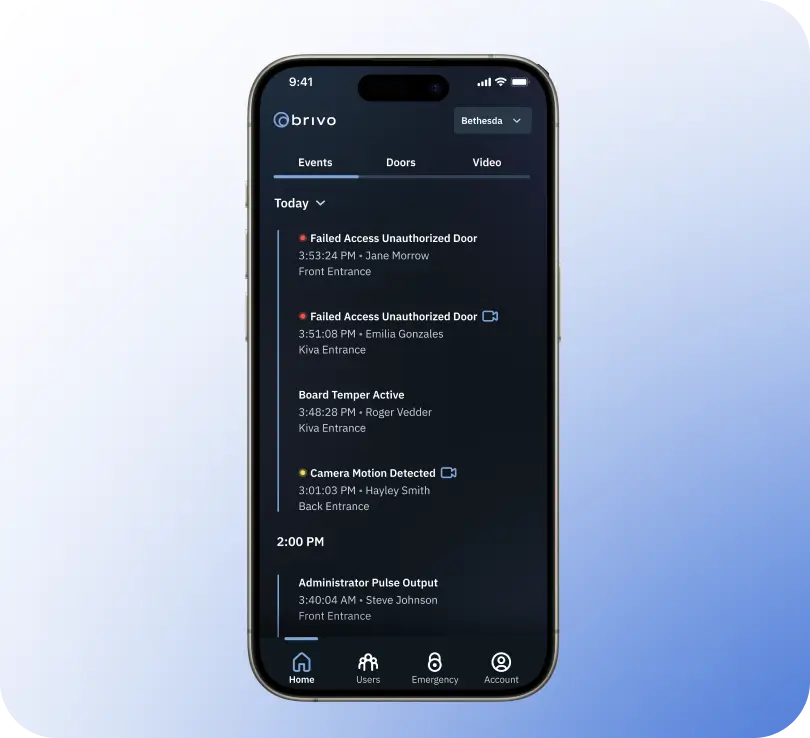
Die Cloud-native Plattform der Brivo Security Suite vereint Zutrittskontrolle, Videoanalyse, Besucherabläufe und Einbruchserkennung in einer einzigen Übersicht und erleichtert so die Verwaltung.
von … geschätzt








Fähigkeiten
Zentrale Sicherheitsinstrumente für moderne öffentliche Gebäude
Teams im öffentlichen Sektor erwarten in der Regel, dass die Verwaltung von Zugangsberechtigungen, Videoüberwachung, Warnmeldungen, Prüfprotokolle, Besucherabläufe und die zentralisierte Berichterstattung nahtlos zusammenwirken. Mit Brivo können Teams Ereignisse schneller überprüfen, Aktivitäten übersichtlicher nachverfolgen und einheitliche Richtlinien über alle Abteilungen und Standorte hinweg gewährleisten.
Zugangskontrolle für öffentliche und gesperrte Bereiche
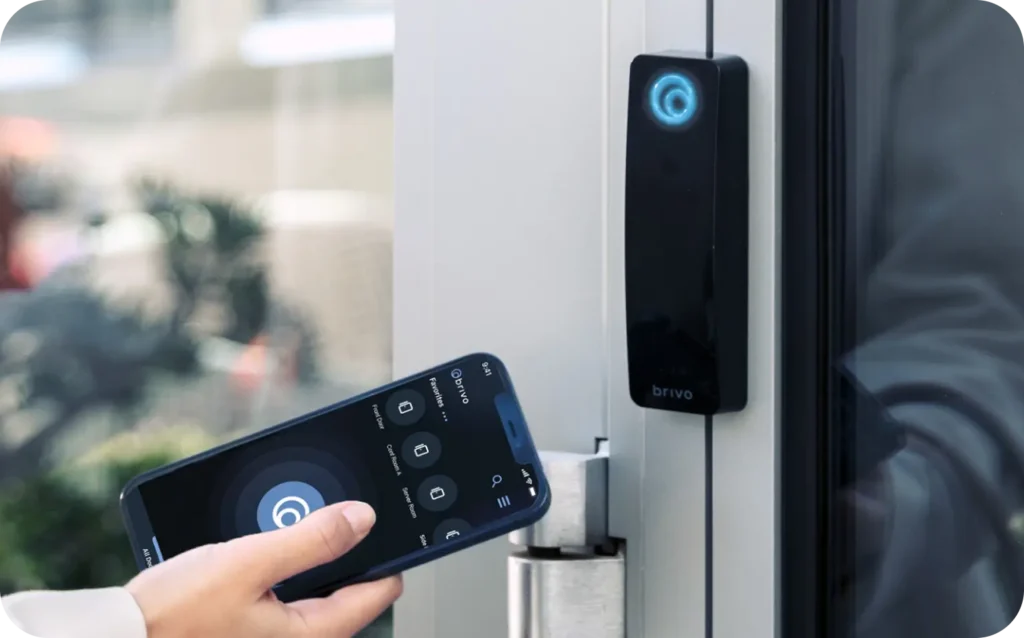
Die Zugangskontrolle im öffentlichen Sektor unterstützt Teams dabei, zu regeln, wer öffentlich zugängliche Bereiche und Räume mit Zugangsbeschränkungen betreten darf. Die mobile Verwaltung ermöglicht zudem die Fernsteuerung, sodass Mitarbeiter reagieren können, ohne an ihren Schreibtisch zurückkehren zu müssen.
Videoüberwachung und -analyse für Echtzeit-Überblick
Brivo Eagle Eye Video unterstützt Cloud-basierte Videoüberwachung und bindet Videodaten in Arbeitsabläufe ein. Eeva Video Agent nutzt benutzerdefinierte Aufforderungen in natürlicher Sprache, um Echtzeit-Warnmeldungen und automatisierte Antworten zu versenden. Nutzen Sie Funktionen wie Waffen-Erkennung, 911-Kamerateilung, Fernvideoüberwachung, Kennzeichenerkennung (LPR) und vieles mehr, um das Situationsbewusstsein zu verbessern.
Warnmeldungen, Prüfungen und Berichterstattung im Rahmen von Untersuchungen
Die Brivo Security Suite vereint Einbruchmeldeanlagen und die Überwachung gewerblicher Alarmanlagen, Video- und Zugangsereignisse in einem einzigen Arbeitsablauf zusammenführen. Reduzieren Sie Fehlalarme, versenden Sie Benachrichtigungen in Echtzeit und unterstützen Sie die manuelle Untersuchung mithilfe von Vorfallprotokollen.
Verwaltung von Mitarbeitern, Auftragnehmern und Besuchern
Brivo Visitor Management , powered by Envoy, sUnterstützt Lieferungen, den Druck von Ausweisen, Screening-Fragen, die Voranmeldung sowie den zeitgesteuerten Gästezugang. Der Brivo Identity Connector synchronisiert physische Sicherheitsberechtigungen mit IAM-Plattformen.
Zentralisierte Betriebsabläufe
Vereinfachung der täglichen Abläufe in kommunalen Gebäuden
Die Sicherheitsarbeit in Regierungsgebäuden beschränkt sich selten auf Notfälle. Jeden Tag werden die Sicherheitsanforderungen und Arbeitsabläufe komplexer, wenn jede Abteilung eigene Tools verwendet.
Die Brivo Security Suite trägt dazu bei, Aufgaben in einem einzigen Betriebsmodell zu bündeln, ohne dass dadurch zusätzliche manuelle Schritte entstehen.
Die Teams können in Rathäusern, Gerichten, Verwaltungsbüros und Gebäuden mit gemeinsamer Nutzung einheitliche Zugangsregeln anwenden und die Berechtigungen dennoch je nach Rolle, Zeitplan oder Standort anpassen.
Plattform
Worauf Sie bei einer Sicherheitsplattform für öffentliche Gebäude achten sollten
Wenn die Teams aus den Bereichen Facility Management, Beschaffung, Sicherheit und IT gemeinsam verschiedene Optionen prüfen, sollte die Checkliste den täglichen Betriebsablauf der Behörde widerspiegeln. Die richtige Plattform sollte die Kontrolle und Berichterstattung verbessern, ohne zusätzlichen Arbeitsaufwand zu verursachen.
Verwalten Sie Türen, Warnmeldungen, Videoaufzeichnungen und Aktivitäten standortübergreifend über ein einziges Dashboard, sodass Ihre Teams auf einen Blick erkennen können, was ihre Aufmerksamkeit erfordert, ohne zwischen verschiedenen Tools wechseln zu müssen.
Unterstützen Sie Mitarbeiter, Auftragnehmer und Abteilungsabläufe mit Berechtigungen, die an Rolle, Standort und Zeitplan geknüpft sind, und stellen Sie dabei sicher, dass die Verwaltung der Zugangsdaten nahtlos in Ihre Identitätslösung integriert bleibt.
Setzen Sie Lesegeräte, Schlösser und Beschläge ein, die mit Ihrer Gebäudestrategie im Einklang stehen und eine schrittweise Modernisierung ermöglichen.
Verwalten Sie den Zugang von Besuchern und Lieferanten mithilfe von Arbeitsabläufen, die den Betrieb öffentlicher Gebäude gewährleisten und gleichzeitig die Kontrolle über sensible Bereiche sicherstellen.
Kombinieren Sie Videoaufzeichnungen und Zugriffsmeldungen mit der Vorfallanalyse, um Teams dabei zu unterstützen, riskantes Verhalten zu bestätigen, den Vorfall zu dokumentieren und schneller zu reagieren.
Nutzen Sie durchsuchbare Ereignisse, Prüfpfade und Integrationsmöglichkeiten, um schrittweise Upgrades und fundiertere Sicherheitsentscheidungen in allen staatlichen Einrichtungen zu unterstützen.
Einhaltung gesetzlicher Vorschriften
Zuverlässige Sicherheit und Compliance für Teams im öffentlichen Sektor
Für Teams, die zwischen konformitätsfähigen Systemen und umfassenderen Sicherheitslösungen für Kommunalverwaltungen abwägen, bietet Brivo eine solidere Grundlage für eine zentralisierte Überwachung und Modernisierung.
Brivo – Sicherheit und Compliance die anerkannten Sicherheitsstandards und Zertifizierungen, einschließlich AICPA SOC 2 Typ II und ISO/IEC 27001:2022, zu befolgen und einzuhalten. Für Teams im öffentlichen Sektor ist der Gesamtüberblick über die Compliance von entscheidender Bedeutung:
Risikomanagement für Anlagen
Der ISC-Risikomanagementprozess ist der Standard der CISA zur Festlegung der Sicherheitsstufen von Einrichtungen und der damit verbundenen Gegenmaßnahmen für nichtmilitärische Bundesanlagen.
Bundesweite Qualifikationsanforderungen
FIPS 201-3 legt PIV-Anforderungen für Bundesbedienstete und Auftragnehmer fest, die physischen und logischen Zugang zu kontrollierten Einrichtungen und Systemen beantragen. Brivo erhebt keinen Anspruch auf FIPS-Konformität.
Physikalische und umgebungsbezogene Kontrollmaßnahmen
NIST SP 800-53 Rev. 5 umfasst eine Kontrollgruppe zum physischen und umgebungsbezogenen Schutz sowie Kontrollen in den Bereichen Audit, Identifizierung, Reaktion auf Vorfälle und damit verbundene Maßnahmen.
Aufsicht über die Informationssicherheit
Das FISMA schreibt jährliche unabhängige Bewertungen der Informationssicherheitsprogramme von Bundesbehörden vor und unterstreicht damit die Bedeutung von Protokollen, Berichterstattung und überprüfbaren Kontrollmaßnahmen.
Erwartungen hinsichtlich Beschaffung und Planung
Nicht jede lokale Behörde ist unmittelbar an jeden Bundesstandard gebunden, doch diese Rahmenbedingungen prägen häufig die Anforderungen an die Beschaffung sowie die Sicherheitsplanung im öffentlichen Sektor. Zudem können bundesstaatsspezifische Vorschriften gelten.

Erkenntnisse und Sicherheit
Erwartungen hinsichtlich Beschaffung und Planung
Nicht jede lokale Behörde ist unmittelbar an jeden Bundesstandard gebunden, doch diese Rahmenbedingungen prägen häufig die Anforderungen an die Beschaffung sowie die Sicherheitsplanung im öffentlichen Sektor. Zudem können bundesstaatsspezifische Vorschriften gelten.

Modernisierung der Sicherheit im öffentlichen Sektor mithilfe der Cloud
Veraltete Systeme führen zu Lücken in den Sicherheitsrichtlinien und verlangsamen die Reaktionszeiten, da Daten zu Türen, Videoüberwachung, Alarmanlagen und Benutzern an unterschiedlichen Orten gespeichert werden.
Die Die Brivo Security Suite unterstützt einen offenen, vernetzten Ansatz für bestehende Systeme. Erhalten Sie systemübergreifende Transparenz, ohne gleich zu Beginn ein komplettes Austauschprojekt durchführen zu müssen. Dies ist insbesondere für staatliche Sicherheitsprogramme mit mehreren Standorten von großem Nutzen.
Fragen, die Kommunalverwaltungen zum Thema Gebäudesicherheit stellen
Was sollten Sicherheitslösungen für Kommunalverwaltungen umfassen?
Sie sollten Zugangskontrolle, Videoüberwachung, Warnmeldungen, Berichterstellung und Besucherüberwachung in einem einzigen Betriebsmodell vereinen. Dies ermöglicht es den Teams, öffentliche Bereiche, Bereiche, die ausschließlich dem Personal vorbehalten sind, sowie Ermittlungsverfahren übersichtlicher zu verwalten, ohne zwischen voneinander getrennten Systemen hin- und herwechseln zu müssen.
Inwiefern tragen staatliche Sicherheitssysteme zur Einhaltung von Vorschriften bei?
Sie unterstützen die Einhaltung von Vorschriften, indem sie umfassendere Aufzeichnungen zu Zugangsereignissen, Alarmen, Videoüberprüfungen und Besucheraktivitäten erstellen. Diese Aufzeichnungen erleichtern das Beweismittelmanagement und die Berichterstattung, wenn ein Team einen Vorfall untersuchen oder nachweisen muss, dass die Kontrollmaßnahmen konsequent angewendet wurden.
Können Sicherheitssysteme für Regierungsgebäude mit vorhandener Hardware kompatibel sein?
Häufig ist dies der Fall. Viele Behörden führen die Modernisierung schrittweise durch, indem sie kompatible Hardware beibehalten und zunächst die Verwaltungsebene aktualisieren. Brivo unterstützt offene Integrationen und ist mit einer Vielzahl bestehender Hardware kompatibel. Dies trägt dazu bei, Betriebsunterbrechungen zu minimieren, bereits getätigte Investitionen zu erhalten und es den Teams zu ermöglichen, die Sicherheit schrittweise zu verbessern, anstatt alle Geräte auf einmal auszutauschen.
Wie wähle ich das richtige Sicherheitssystem für ein Regierungsgebäude aus?
Beginnen Sie mit der betrieblichen Eignung. Suchen Sie nach einer Plattform, die eine zentralisierte Überwachung, klare Arbeitsabläufe, flexible Integrationsmöglichkeiten, hohe Cybersicherheitsstandards sowie Skalierbarkeit über Abteilungen und Gebäude hinweg ermöglicht. Ein gutes System sollte den Teams helfen, schneller voranzukommen, anstatt ihnen noch mehr Systeme aufzubürden, die sie verwalten müssen.
Was bedeutet „NDAA-konform“? Ist dies für die Sicherheit staatlicher Einrichtungen erforderlich?
In diesem Zusammenhang bezieht sich die Einhaltung des NDAA in der Regel auf die Bestimmungen in Abschnitt 889, die die Beschaffung bestimmter unter diesen Abschnitt fallender Telekommunikations- und Videoüberwachungsgeräte oder -dienstleistungen von bestimmten Anbietern durch den Bund einschränken. Dies ist bei der Beschaffung durch den Bund eindeutig vorgeschrieben und kann je nach Projekt auch in Anforderungen auf Landes- oder kommunaler Ebene, bei zuschussfinanzierten Projekten oder in vertraglichen Bestimmungen vorkommen.